

The Best Time for 4D Ultrasound Isn't as Fixed as You Think
Search around online and you will find plenty of confident answers about the best time for 4D ultrasound, often stated as if there is a single correct week for every single pregnancy. There isn't. Baby's development, your body, and even the weather that day can all shift what shows up clearest on screen, which is why timing advice works better as a range than a rule.
- The General Window Most Studios Recommend
- Why Earlier Isn't Always Better
- Why Later Has Trade-Offs Too
- What Actually Matters More Than the Calendar
- Why Some Families Book More Than Once
- How Package Length Interacts With Timing
- Setting Realistic Expectations
- Timing Within the Day Itself
- Frequently Asked Questions
- 26 to 32 weeks is the general sweet spot, not a hard rule.
- Fluid levels and baby's position matter more than the exact week.
- Booking twice, once earlier and once later, is common and often worthwhile.
- Estimated reading time: 7 minutes
- Last reviewed: August 2026
The General Window Most Studios Recommend
The best time for 4D ultrasound generally falls between 26 and 32 weeks, since baby has enough facial fat by then to show clear features while usually still having enough room and fluid to move freely in front of the probe.
This range gets repeated so often because it works for most pregnancies, most of the time. It is a reasonable default, not a guarantee. Two people booked for the exact same week can walk out with very different results depending on how their individual pregnancy is progressing.
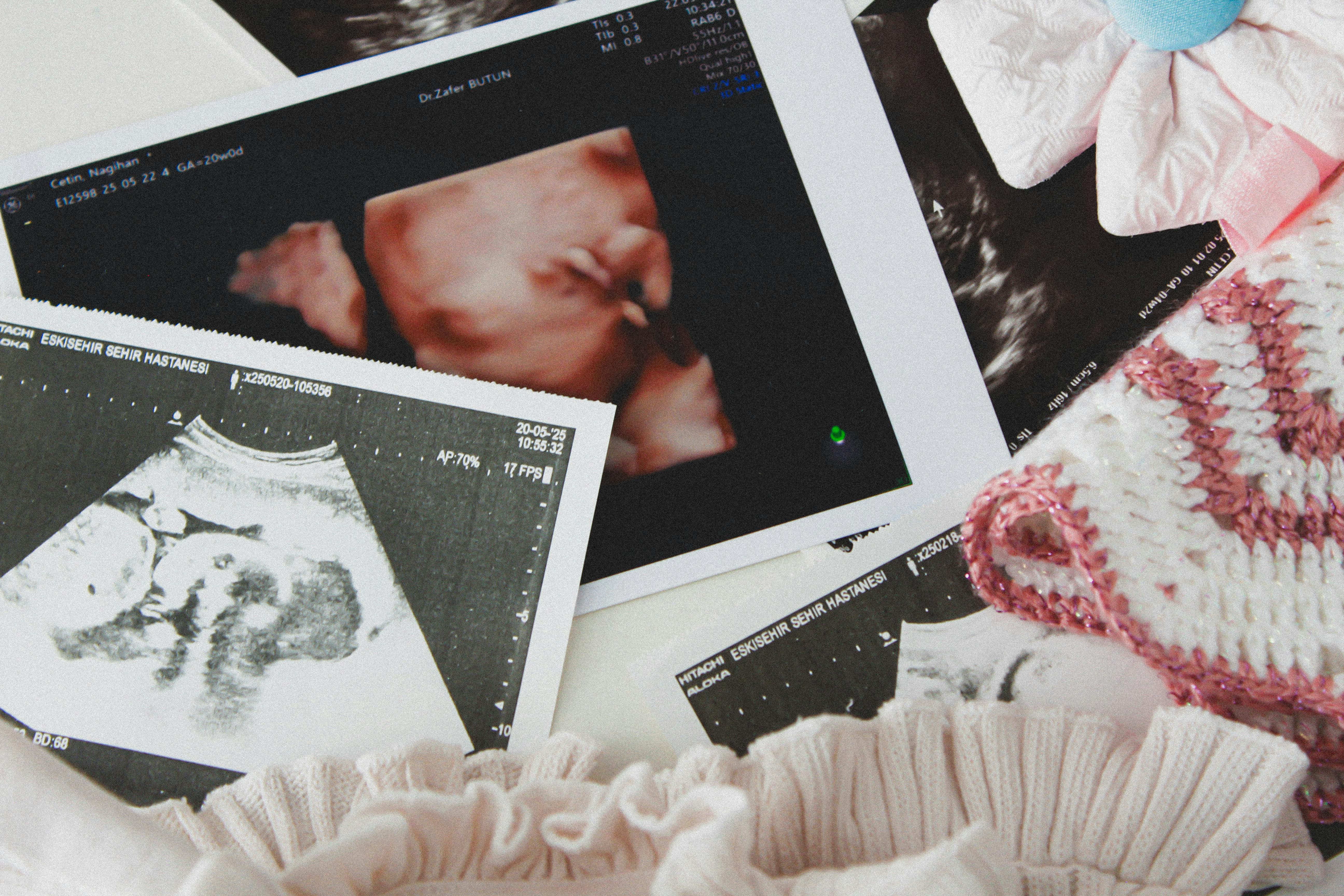
Our sonographers recommend this window as a starting point when families ask for a single number, but we always follow it up with questions about the individual pregnancy before locking in a date.
Why Earlier Isn't Always Better
Booking before 24 weeks generally means less facial fat has developed, so features can look somewhat skeletal or underdeveloped compared to later scans. Parents sometimes feel disappointed after an early session expecting the same soft, rounded look they have seen in other families' images online, not realizing those images were captured several weeks further along.
There is also simply less room in earlier pregnancy for dramatic movement. Baby is still small relative to the uterus, so while you may catch some motion, it is less likely to produce the expressive stretches and yawns that make later sessions so memorable.
Why Later Has Trade-Offs Too
Wait too long, and a different problem shows up. As baby grows, there is less amniotic fluid relative to size and less open space to move around in. Baby may also settle head-down deep into the pelvis, which can block a clear view of the face for a portion of your session.
Past 34 Weeks Can Be a Gamble
Sessions booked very close to the due date sometimes produce beautiful results and sometimes do not, largely because there simply is not much room left for baby to reposition if the initial angle is not ideal. If you are set on a specific late date for scheduling reasons, that is fine, just go in with realistic expectations about variability.
What Actually Matters More Than the Calendar
- Amniotic fluid level: More fluid generally means more room for baby to move into a good position.
- Placenta location: An anterior placenta can sometimes soften certain views, regardless of gestational week.
- Baby's typical activity pattern: Some babies are consistently more active than others at any given stage.
- Multiple pregnancy versus singleton: Twins and higher-order pregnancies often need different timing considerations entirely.
Families who visit our studio often tell us they appreciated being asked about their specific pregnancy history rather than being handed a generic week number over the phone. That short conversation tends to produce a much better outcome than picking a date at random.
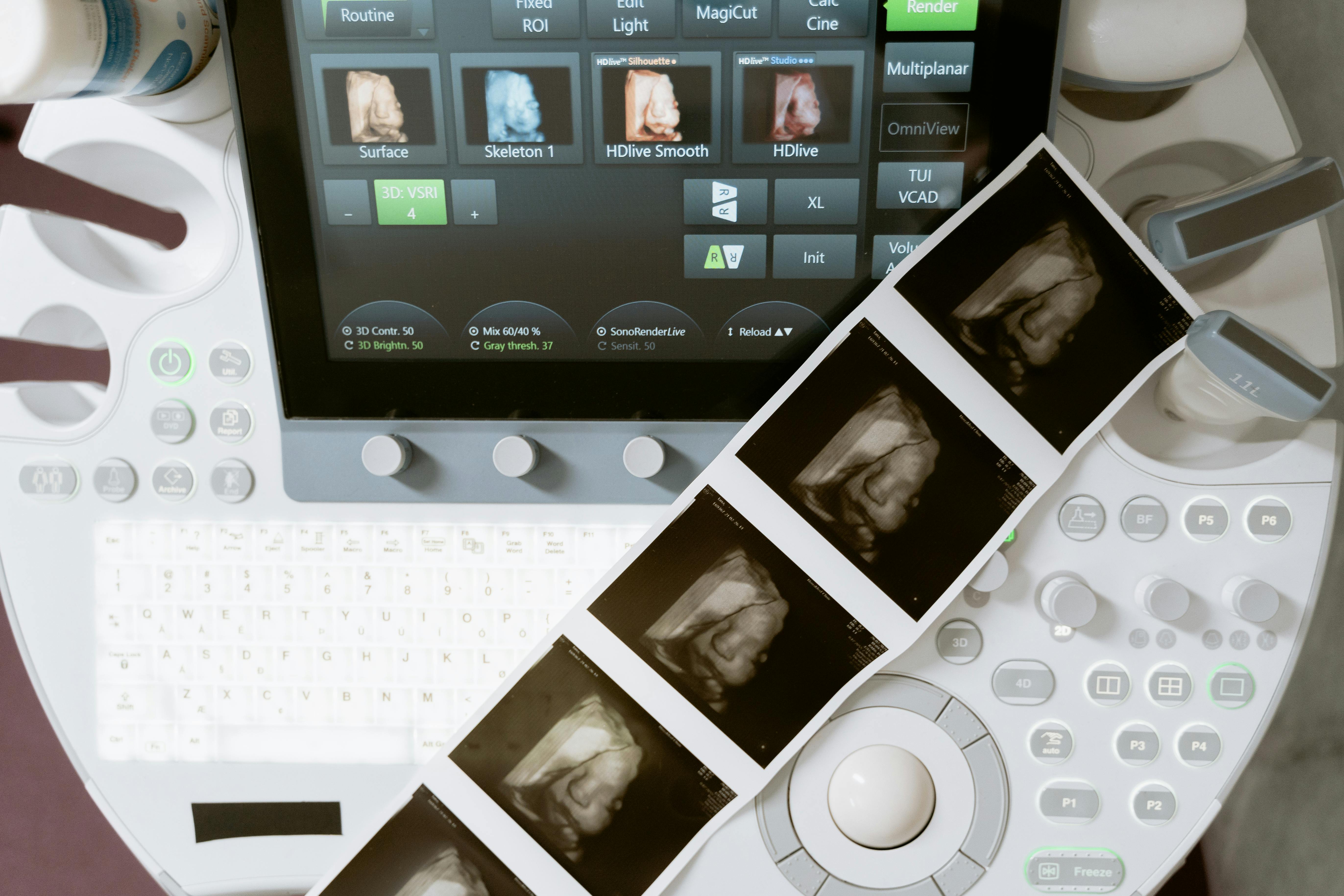
According to the American Institute of Ultrasound in Medicine, image quality in obstetric ultrasound is influenced by multiple maternal and fetal factors, including body habitus, fluid volume, and fetal positioning, not gestational age alone. That is a fairly technical way of confirming what most experienced sonographers already know from years in the room.
Why Some Families Book More Than Once
A growing number of families choose two shorter sessions instead of a single longer one. An earlier visit, often somewhere around 20 to 24 weeks, captures a first glimpse and works well alongside a gender reveal. A second visit later, in that 28 to 32 week window, focuses purely on capturing detailed facial images once features are more developed.
This approach spreads out the experience across pregnancy rather than compressing it into a single appointment, and it gives baby two separate chances to cooperate instead of just one. You can compare current ultrasound packages to see which combination fits your timeline and budget.
How Package Length Interacts With Timing
A shorter session gives your sonographer less time to wait out a stubborn baby. If you book a brief entry-level package during a week when baby happens to be facing the wrong way, there may not be enough time built in to reposition and try again before the appointment ends.
Longer sessions build in more patience by design. That extra time matters most precisely during the weeks when positioning is less predictable, which is one more reason many studios pair their longer, more detailed packages with the later end of the recommended window rather than the earlier end.
If your schedule only allows for a single visit and you are choosing between a shorter or longer package, leaning toward the longer option during a less predictable week can be a reasonable trade-off, even if it costs a bit more.
Setting Realistic Expectations Going In
No studio can promise a specific image before you arrive. What a good studio can promise is transparency about what influenced your results, whether that was timing, position, or fluid levels, rather than simply wishing you luck and moving on to the next appointment.
If your session does not produce the dramatic, magazine-cover style images you may have seen shared online, that does not mean anything went wrong. It often just means baby was facing a slightly different direction that day, which is completely normal and out of anyone's control.
Timing Within the Day Itself
Beyond picking the right week, the time of day can matter too. Babies tend to have activity patterns, and many parents already have a sense of when their baby is most awake based on kicks they feel at home.
Booking around that natural active window, whether that lands in the morning or the evening, can genuinely improve your odds of catching movement on screen. A light snack with natural sugar shortly before your appointment can also help nudge things along.
Some parents notice their baby is quietest right after a big meal, when digestion seems to lull them into a calmer state, and most active an hour or two afterward. Others notice the opposite pattern entirely. There is no universal rule here beyond paying attention to your own baby's rhythm and working with it rather than against it when you pick an appointment slot.

Buffalo Baby offers appointment slots throughout the day to make room for this kind of planning, and our team is happy to talk through timing on the phone before you commit to a specific date and hour.
Elective ultrasound sessions are designed for bonding and keepsake purposes and are not intended to replace prenatal care or medical diagnosis. Always follow your OB or midwife's guidance throughout your pregnancy.
Frequently Asked Questions
What is the single best week for 4D ultrasound?
There is no single universal week, but 28 to 30 weeks tends to hit the sweet spot between facial development and available room to move for most pregnancies.
Can I book a 4D ultrasound at 20 weeks?
You can, though facial features will look less developed than they will a few weeks later. Some families prefer this earlier timing for a first glimpse alongside a gender reveal.
Is it too late to book at 35 weeks?
It is still possible, though results can vary more due to reduced fluid and baby settling into position. Going in with flexible expectations helps.
Does an anterior placenta really affect timing?
It can. An anterior placenta may make certain views softer regardless of the week, so your sonographer may recommend slight timing adjustments if this applies to you.
Should I book two separate sessions?
Many families do, pairing an earlier visit with a later one for detailed facial images once baby has more developed features.
Does the time of day matter?
Yes, to a degree. Scheduling around when baby is typically most active at home can improve the odds of catching movement.
What if baby doesn't cooperate at my chosen time?
Ask your studio about their rebooking policy. Many offer a complimentary follow-up session if the original visit did not produce clear images.
Does twin pregnancy change the ideal timing?
Yes, twin and higher-order pregnancies often need individualized timing guidance rather than the standard singleton window.
Is there a best time to book relative to a due date?
Working backward from your due date to land somewhere in the 26 to 32 week range is a reasonable starting approach for most families.
Can eating or drinking before the visit help?
A light snack with natural sugar shortly before your session can sometimes encourage more movement, though results vary from baby to baby.
Find Your Ideal Window
Talk with our team about your specific pregnancy so we can help you choose the timing that fits, then book your 4D ultrasound in Buffalo.
View Packages & Book
