

How Gender Determination Ultrasound Works, Explained Simply
How gender determination ultrasound works comes down to one basic idea: a trained sonographer looks for specific anatomical markers on screen and reads them the same way every time. It sounds simple when you put it that way, and in a lot of respects it is, but the timing, the angle, and baby's cooperation all play a role in whether that read comes through clearly on your visit.
- Gender determination ultrasound is typically available starting at 13 or more weeks.
- Accuracy depends heavily on baby's position at the time of the scan.
- You can find out live or keep the result sealed for a reveal.
- Estimated reading time: 7 minutes
- Last reviewed: August 2026
The Basics of How It Works
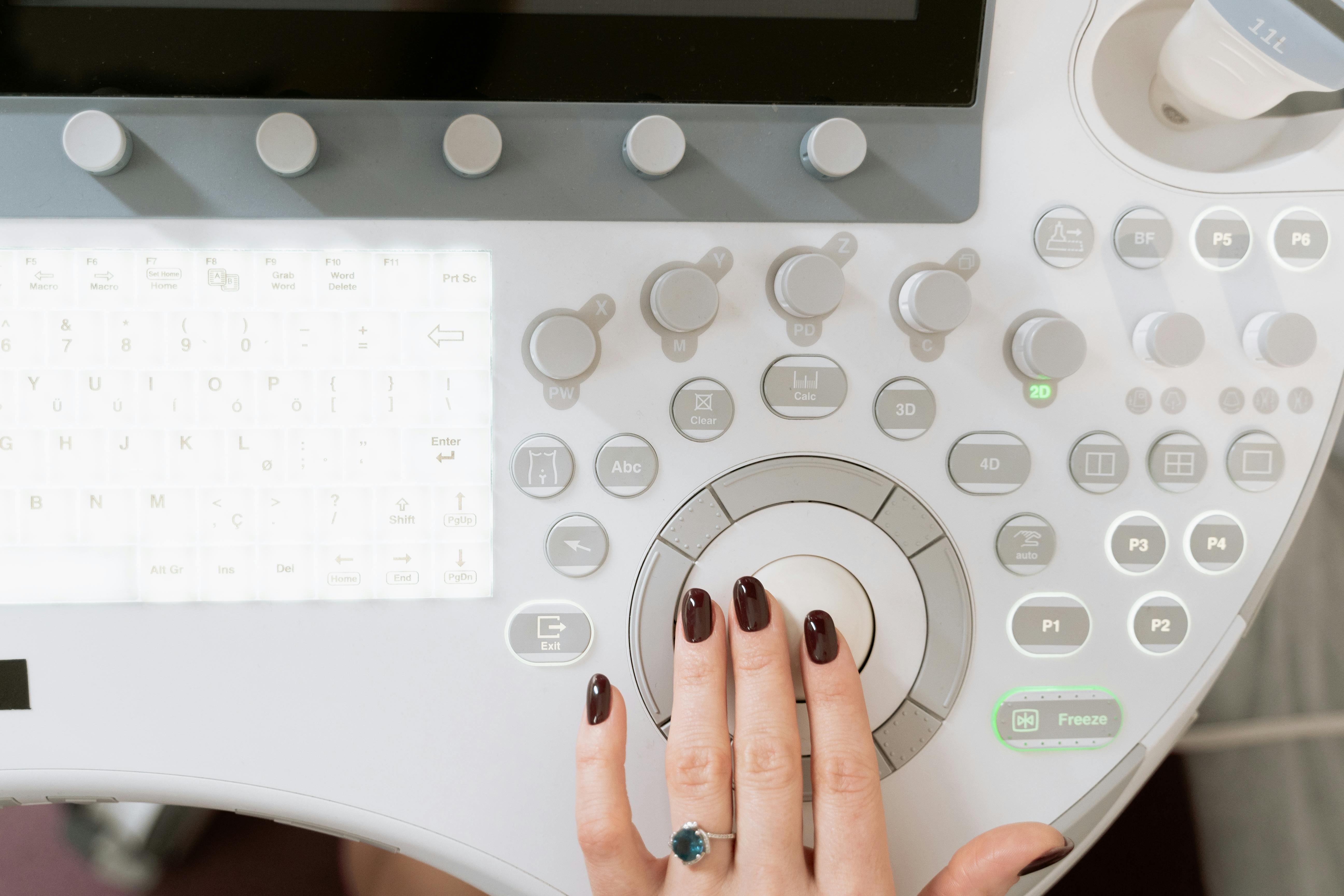
A sonographer uses the ultrasound probe to locate baby, then angles the view toward the pelvic region to look for the physical markers that indicate biological sex. When the angle and position line up well, the read is usually clear within a few minutes of searching.
This is different from a DNA-based test, which analyzes genetic material rather than physical anatomy. Ultrasound gender determination is entirely visual. Nothing is drawn, tested, or sent to a lab. It happens live, on screen, in the room with you.
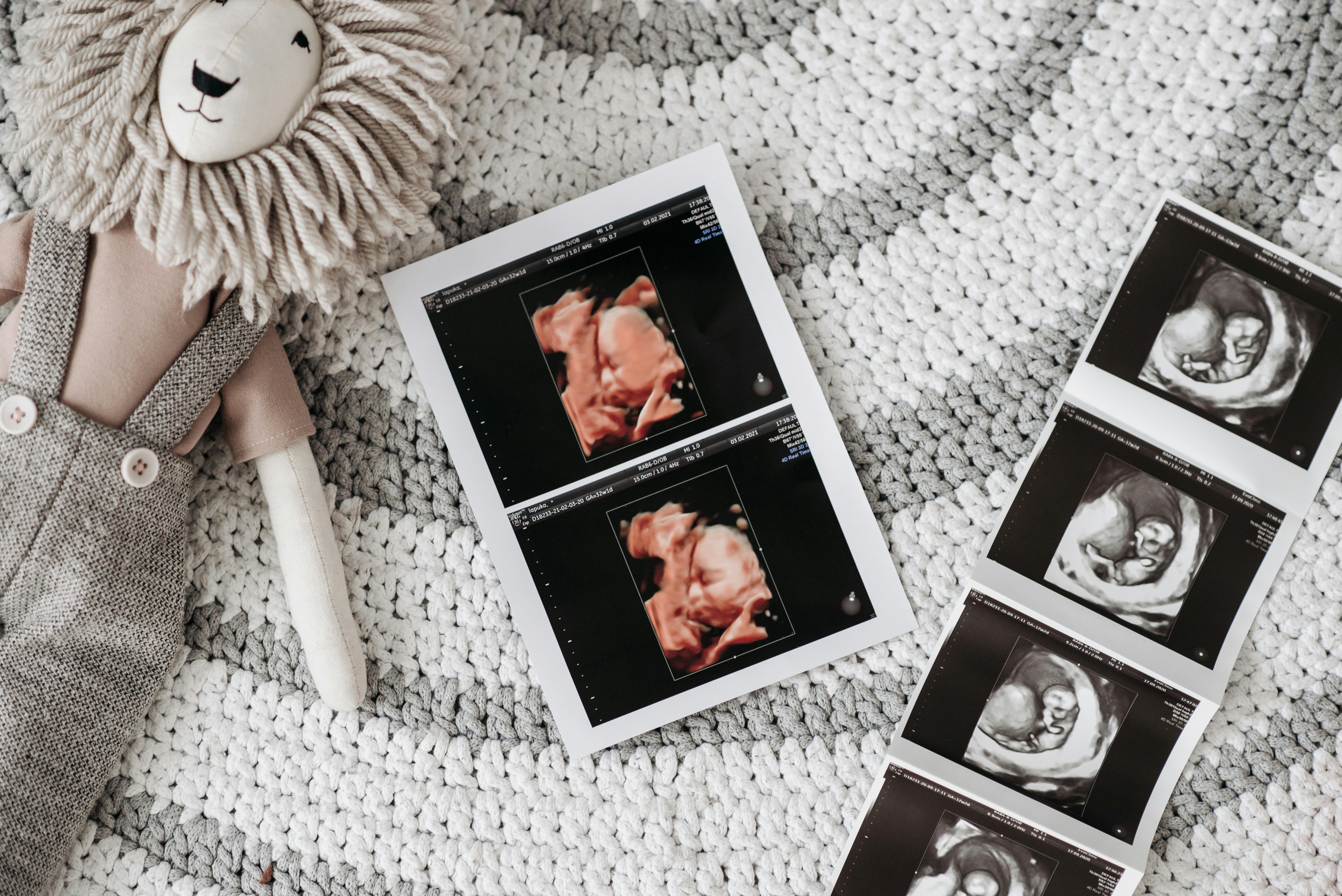
Because it relies on anatomy being visible, not every appointment produces an instant answer. Baby has to be positioned in a way that allows a clear view. This is the single biggest variable in the entire process, and it's one no sonographer, no matter how experienced, can fully control.
Why Timing Changes the Result
Too early, and the anatomy simply has not developed enough to be distinguishable. That is why gender determination ultrasound is generally not offered before 13 weeks. Even at 13 weeks, results carry more uncertainty than they would a few weeks later.
By 15 to 16 weeks, most sonographers see a noticeable jump in confidence. Anatomy is more developed, and there tends to be more amniotic fluid providing room for baby to shift into a workable position during the scan.
Later Isn't Always Better
Waiting until very late in pregnancy does not necessarily improve accuracy for gender determination specifically, since baby often settles into a fixed position in the pelvis that can actually make certain views harder to obtain. The mid-second-trimester window tends to offer the best balance of development and mobility.
What Sonographers Are Actually Looking For
Without getting overly technical, the read comes down to identifying specific anatomical structures and their orientation on screen. A trained eye is looking for a consistent set of visual cues rather than guessing from a vague shadow.
Our sonographers recommend against reading too much into a single quick glance from an early scan photo shared online. What a trained professional sees in real time, adjusting the probe and checking multiple angles, is a very different process than interpreting a static printed image after the fact.
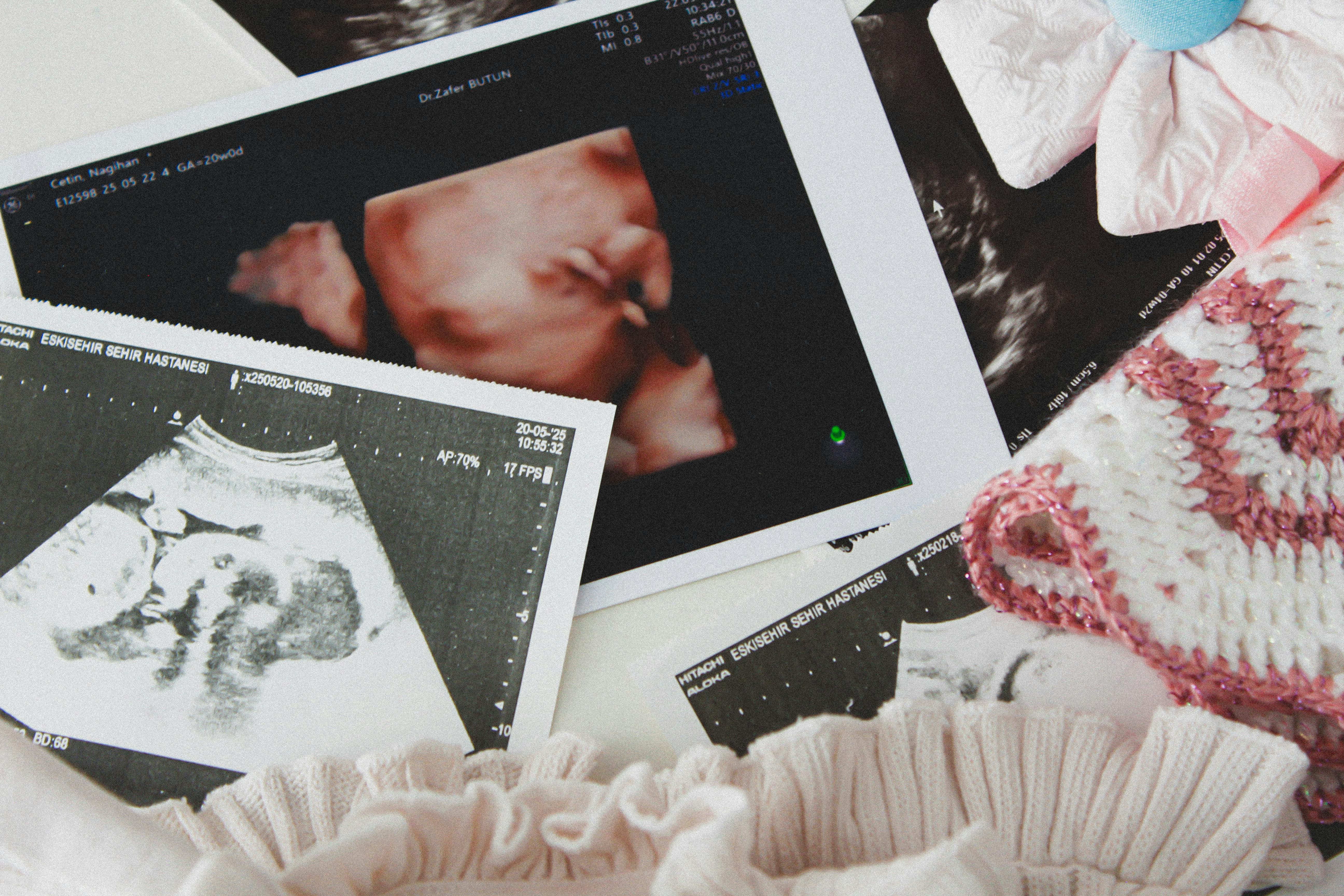
If baby is not cooperating, a good studio will say so rather than offer a guess dressed up as certainty. That honesty matters. Nobody wants to plan a nursery around a coin flip.
How Accurate Is It, Really
When baby is positioned well and the scan is performed after about 15 to 16 weeks, ultrasound gender determination is highly reliable in the hands of a trained sonographer. Accuracy drops when the view is obstructed, when baby is very early in gestation, or when the umbilical cord happens to sit in a position that creates a misleading shadow.
According to the American College of Obstetricians and Gynecologists, ultrasound remains one of the most widely used and well-studied prenatal imaging tools available, and its reliability for structural assessment, including anatomical sex markers, improves substantially as pregnancy progresses into the second trimester.
That said, no elective ultrasound provider can promise a guaranteed result. Anatomy, positioning, and even how much baby has moved that morning can shift what is visible on any given day.
A Few Common Misconceptions
There is a lot of folklore floating around about predicting gender before any scan even happens. Heart rate, the shape of the bump, cravings, none of these have any real predictive value. They persist mostly because someone's guess turns out right about half the time, which is exactly what you would expect from pure chance.
Another misconception is that a 3D or 4D image can reveal gender on its own without a proper anatomical check. Surface rendering shows texture and shape beautifully, but it is the underlying 2D structural view that actually confirms the anatomy needed for a reliable read. The two techniques work together, not as substitutes for each other.
Some parents also assume that a heavier baby, or one who is very active during the scan, is somehow linked to being one gender or the other. There is no clinical basis for this. Movement level has far more to do with feeding, sleep cycles, and simple personality than anything related to sex.
Why a Second Opinion Sometimes Gets Offered
If your sonographer feels genuinely uncertain, they may suggest a follow-up scan a couple of weeks later rather than committing to a result they are not confident in. This is not a red flag. It is exactly the kind of caution that leads to fewer surprises at delivery, and it is far better than a confident guess that turns out wrong.
Live Reveal or Sealed Envelope
One of the more personal choices families make is how they want to receive the news. Some want it the moment the sonographer sees a clear marker. Others prefer to keep it sealed and turn the announcement into its own event later with family.
- Live reveal: Find out during the appointment itself, often with loved ones in the room.
- Sealed envelope: The result is written down and sealed, so you can open it privately or plan a gender reveal celebration.
- Sealed for a professional reveal: Some families hand the sealed result to a baker or party planner to build a surprise around.
You can review current gender ultrasound options and pricing on our ultrasound packages page, and read more about the appointment itself on our gender determination page.
What If You Want to Know Even Earlier
Some families do not want to wait until 13 weeks. For them, an early DNA-based gender test, offered separately from the ultrasound scan, can provide an answer as early as 6 weeks by analyzing a small blood sample rather than anatomy on screen. It is worth understanding how that process differs from the ultrasound method described here before choosing between the two.
Families who visit our studio often tell us they like having the option to combine both. An early DNA test to satisfy the early curiosity, followed later by an ultrasound visit for the bonding experience and keepsake images that come with it.
There is no wrong order to do this in. Some parents want the earliest possible answer and treat the later ultrasound purely as a bonding session where the result is already known going in. Others prefer to save every bit of the surprise for the ultrasound itself and skip early testing entirely. Both approaches are common, and neither one is more correct than the other.
What matters most is picking the path that fits how your family actually wants to experience the news, rather than defaulting to whatever felt normal for someone else's pregnancy.
Elective ultrasound sessions are designed for bonding and keepsake purposes and are not intended to replace prenatal care or medical diagnosis. Always follow your OB or midwife's guidance throughout your pregnancy.
How Confident Should You Be Before Announcing
It is tempting to text every relative the second you leave the appointment. Most of the time, that instinct works out fine. Still, if your sonographer flagged any uncertainty at all, it is worth waiting for a confirming scan before ordering pink or blue everything.
A reasonable middle ground many families use is holding off on anything permanent, like nursery paint or embroidered gifts, until after a follow-up anatomy scan with their OB confirms the same result. Announcements and reveal parties can happen right away. Big purchases can wait a couple of weeks.
Buffalo Baby serves families throughout Buffalo, Amherst, Cheektowaga, Williamsville, Tonawanda, Kenmore, West Seneca, Lancaster, and Orchard Park, and every appointment is treated with the same care regardless of how far someone has traveled to be here.
Frequently Asked Questions
What week can gender determination ultrasound be done?
It is typically available starting at 13 or more weeks, though accuracy tends to improve by 15 to 16 weeks as anatomy becomes clearer.
Is ultrasound gender determination always accurate?
It is highly reliable when baby is positioned well and the scan is performed after the earliest weeks, but no method is guaranteed, since anatomy and positioning vary from appointment to appointment.
Can the sonographer be wrong?
It happens rarely, usually due to an obstructed view or very early gestational age. A skilled sonographer will tell you when a result is uncertain rather than guessing.
Do I need a full bladder for the appointment?
It depends on gestational age. Your studio will let you know if any specific preparation is recommended before your visit.
Can I combine gender determination with a 3D or 4D session?
Yes. Many families schedule gender determination and keepsake imaging in the same visit, depending on gestational age and package selected.
What is the difference between this and a DNA gender test?
Ultrasound gender determination is a visual read of anatomy on screen. A DNA test analyzes a blood sample in a lab and can be done much earlier in pregnancy.
Can I bring family to watch the reveal?
Yes, our studio welcomes partners, siblings, grandparents, and friends for the appointment.
Is a sealed envelope result kept private from the sonographer's notes?
The written result is provided directly to you in the envelope. Ask your studio about their specific privacy process when booking.
How long does the appointment take?
Gender determination visits are typically brief, often 10 to 15 minutes, though this can vary depending on baby's position.
What if I want to wait even longer to find out?
That is completely your choice. Some families prefer to wait until delivery for a full surprise, and that is a perfectly valid option too.
Ready to Find Out?
Book a gender determination ultrasound at Buffalo Baby and choose the reveal experience that fits your family.
Book Gender Ultrasound
